A Decade on Linux as My Daily OS
Hey folks,
I remember roughly 10 years ago, I was on my very first professional experience in Paris, working at Pops, drafting my first programs and playing with TypeScript, Node.js and AWS. At that time, I was also exploring a myriad of operating systems. Looking back, I realize I’ve been on quite a journey.
My OS Journey
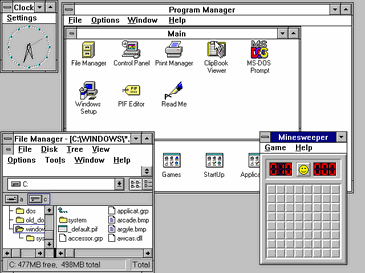
When I was a child, I remember my father bought a laptop. I must have been around 5 or 6, so roughly 1996/1997. I remember exactly what the OS looked like - that screen split into multiple tiled windows. It was Windows 3.1 if I’m not mistaken.
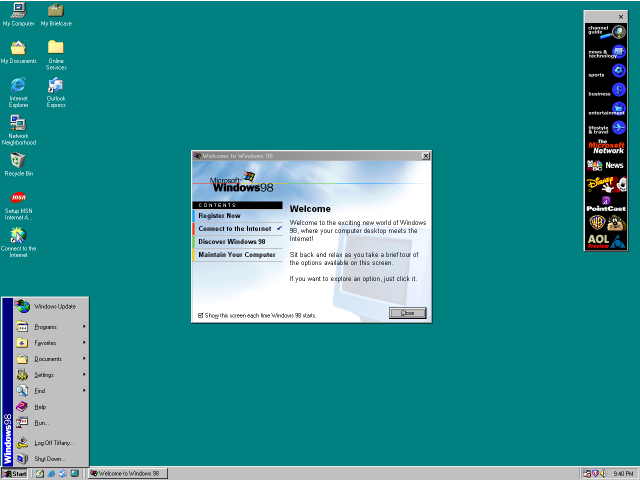
Then on my very first decent computer, the one I got around 8 or 9, it was Windows 98 SE. This is where my geek journey truly started. I didn’t have internet at that time, but that was so interesting exploring and trying to squeeze the maximum out of a machine.
Then came the following along the years:
In between, as the geek I am, I tested a couple of Linux distributions: Ubuntu, Mandriva, Debian, and even Gentoo. That was fun to try but never really matched my needs. There was always something in Windows that pulled me back. To be fair, Linux on the desktop back then was nowhere near as polished as it is today. Random crashes, missing drivers, and the constant need to hack things through the terminal. Don’t get me wrong, as a nerd you enjoy that at first, but over time the CLI burden adds up and you just want things to work.
The Apple Detour
During my engineering studies, I started developing mobile apps including iOS ones. The thing is, you can’t run Xcode without a Mac - there’s simply no other way to build for iOS. So I bought a MacBook Air, and that brought me into the Apple world.
I also tried Hackintosh around 2013-2015. It was working but ended up being a pain to maintain. Eventually I just got real MacBooks.
The Split
All of this brought me to the following setup:
On the desktop side, I’m dual-booting Linux and Windows. About 90% of my time is spent on Linux, Windows is there solely for gaming. Solus does have gaming support through Steam, Proton and the like, but I haven’t experienced it yet. For now, Windows stays as my dedicated gaming partition.
For the Linux desktop side, I went through a few more distributions before settling down:
- Ubuntu - the classic starting point
- Debian - solid but a bit too conservative
- Deepin OS - pretty UI but didn’t stick
- Endeavour OS (Arch-based) - great but high maintenance
- Solus - and this is where I stayed
What Caught Me with Solus
Solus has been built from the ground up. It’s not based on Debian, Ubuntu, Arch, or anything else. That’s an ambitious approach that immediately caught my attention.
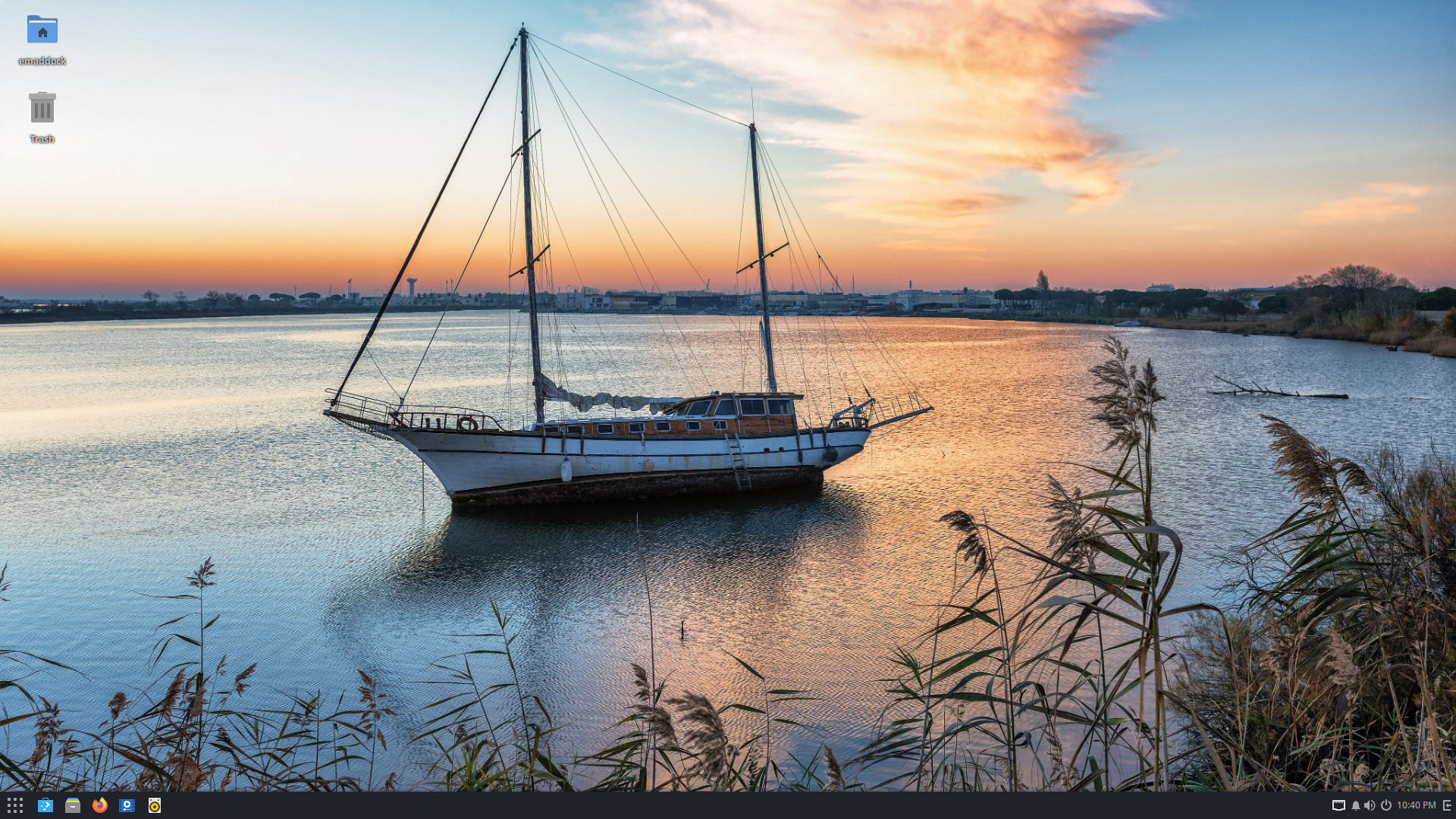
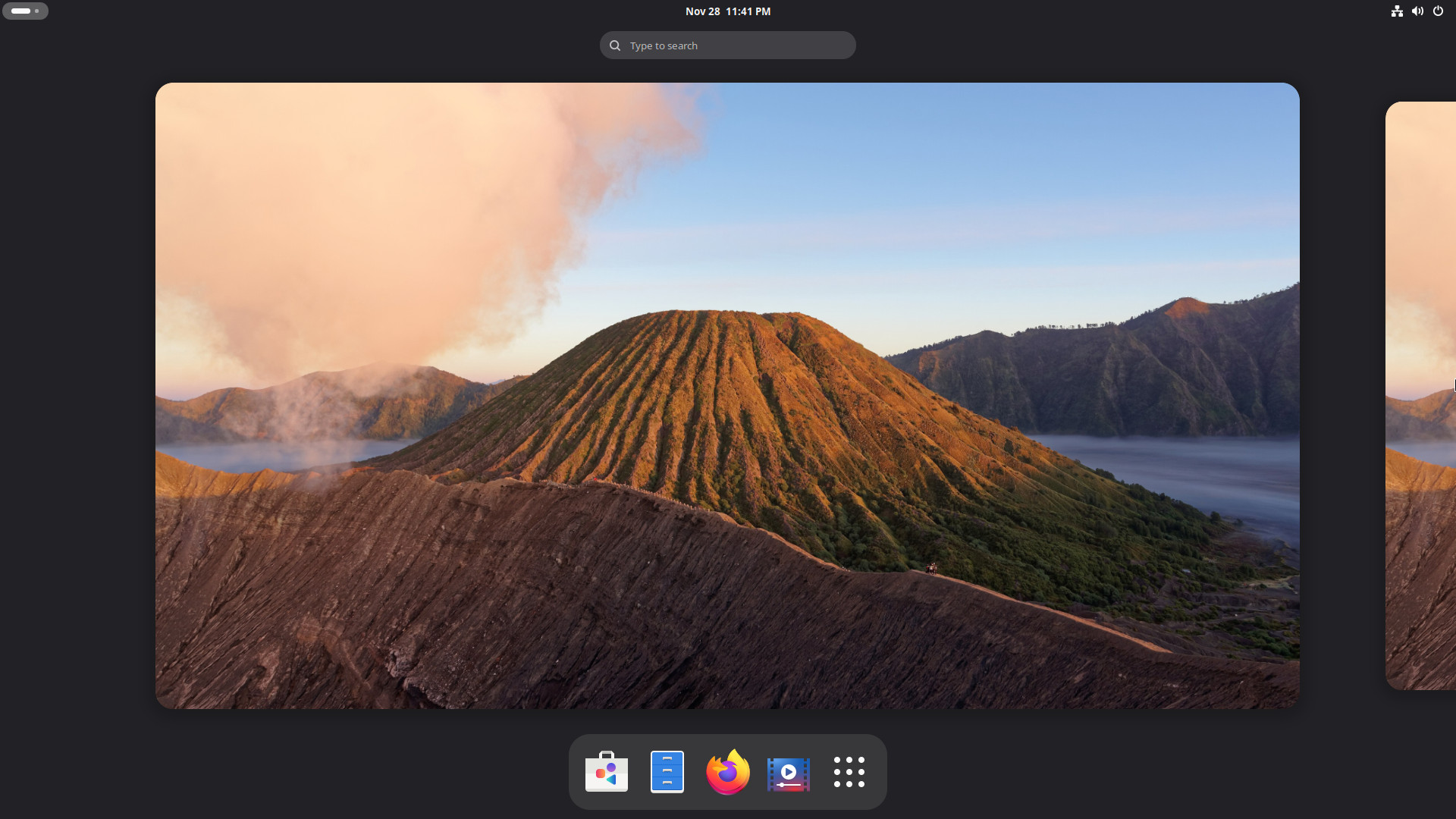
I started with Solus around 2016, back when I was working at Pops. It must have been one of the 1.x releases.
I’ve found everything I was looking for in Solus, and it’s now been my desktop OS for roughly 10 years. It runs on both my laptop (when it’s not a Mac) and my desktop.
What I love:
- Stability - rock solid, never had a major breakage
- Rolling release - always up to date, no painful major upgrades
- eopkg - the package manager just works
I did try Budgie (Solus’s own desktop environment) a couple of times, but ended up going with the GNOME edition.
Package Management
What I can tell you today is that Solus is a super cool OS, very stable, and has worked across various hardware configurations for me. The eopkg package manager is complete, and you can fill any gaps with Flatpak. Snap was an option at some point but Solus dropped support for it, and Flatpak is more than enough.
Consistency Across macOS and Linux
My philosophy while working with Linux is to have pretty much the same experience as when I’m on macOS. I don’t want to change my habits, neither for the software part nor the keybindings. That has one major consequence: every piece of software I use must be available on both Linux and macOS. If it’s not cross-platform, it’s not an option. I simply can’t afford to switch tools depending on which machine I’m sitting at.
Here’s what my daily toolkit looks like, and yes, everything runs on both:
From IDE to password manager, from note-taking to email, it’s the exact same apps on both systems. That’s the beauty of cross-platform software today.
On the keybinding side, I’m 100% AZERTY Mac keyboard based, whether I’m on Solus or macOS. The only thing I need to do on Linux is:
- Set the keyboard layout to Mac
- Remap Alt as Cmd for shortcuts like
⌘ Cmd+C,⌘ Cmd+V, etc. - Map screenshot shortcuts to match macOS (
⌘ Cmd+⇧ Shift+3for full screen,⌘ Cmd+⇧ Shift+4for selection)
Same muscle memory, same apps, two operating systems.
The Solus Saga
I’d be lying if I said the ride was always smooth. Solus went through some real turbulence over the years, and it’s worth talking about.
Ikey Doherty created Solus (originally EvolveOS) and the Budgie desktop environment. He left Intel in 2017 to work full-time on Solus, but by mid-2018 he went silent. Servers went down because bills weren’t paid, the team couldn’t reach him. In November 2018, he published an open letter formally stepping back and transferred all rights to the remaining team.
Joshua Strobl, who had been Solus co-lead and a major force behind Budgie, kept the project alive. But in January 2022, he resigned too, citing unaddressed concerns within the project. He then moved Budgie’s development out of Solus into an independent organization called Buddies of Budgie, maintaining it separately from the distro.
Then came early 2023, the real low point. Infrastructure collapsed, the website and forums went dark for nearly three months. DistroWatch downgraded Solus to “dormant” status. It genuinely looked like the project was dead.
But it came back. The team restructured, new contributors stepped in, and by mid-2023 Solus 4.4 “Harmony” was released. Since then, releases have been steady and the project feels alive again.
As a user, I lived through all of this. I never switched away. The rolling release kept working on my machine even when the project itself was struggling. That says a lot about the foundation Ikey and Joshua built.
What the Future Holds
Honestly, I don’t have anything pushing me to switch right now. But there’s something interesting on the horizon.
AerynOS (formerly serpentOS, rebranded in early 2025). Ikey started it in 2020 as a new from-scratch Linux distribution. Joshua joined the project in 2022 after leaving Solus. So AerynOS is essentially built by the same people who made Solus what it was. That lineage is what makes it interesting to me.
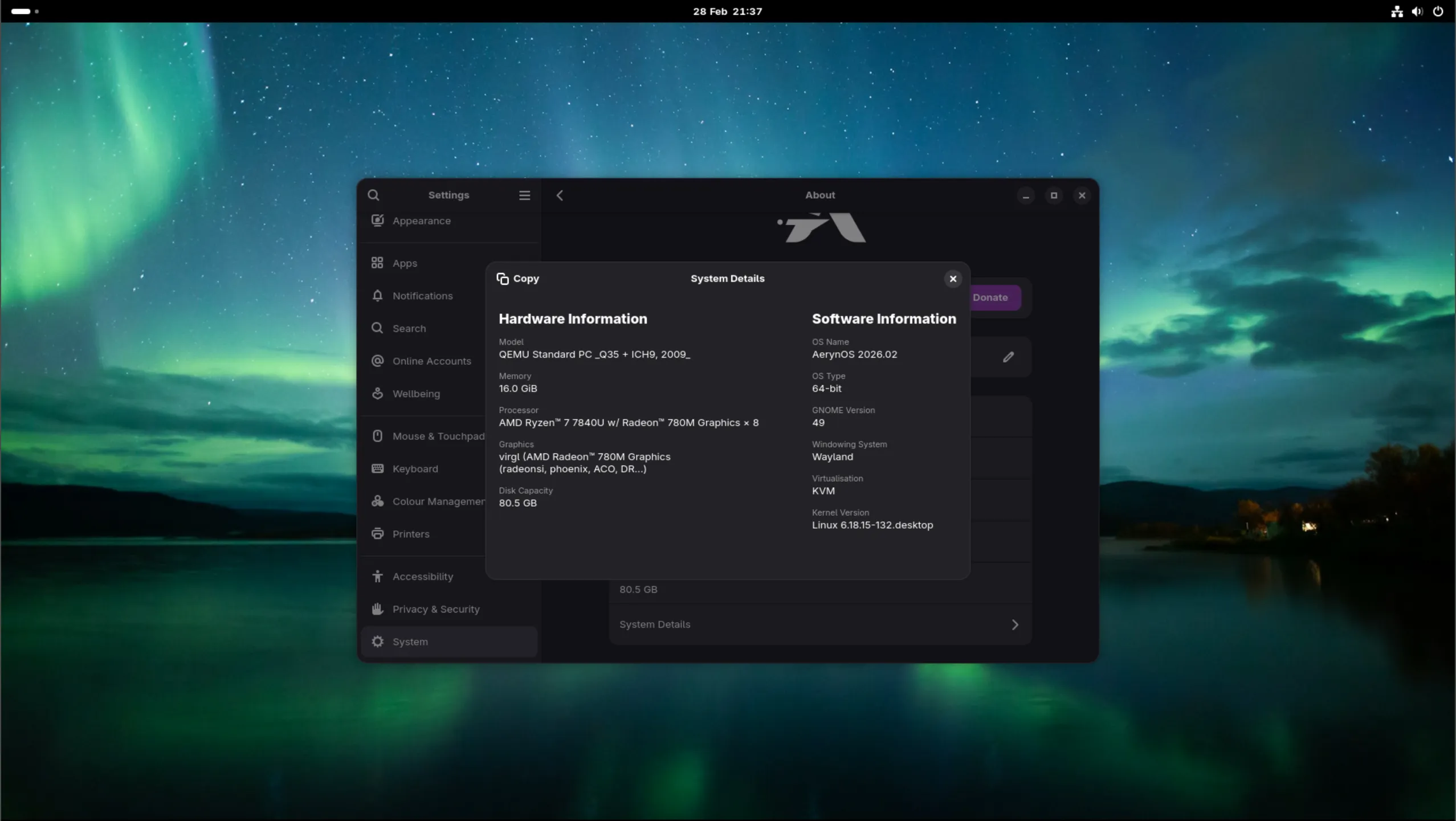
I’ll see how things evolve. My plan is simple: stick to Solus as long as it fits my needs, and potentially give AerynOS a try if it matures enough and brings something different to the table. I could also keep an eye on what’s trending in the Linux desktop world - there’s always something new popping up.
After a decade, if there’s one thing I’ve learned, it’s that the distro does matter. It matters a lot actually. The best OS is the one that works so well you don’t have to think about it. You just sit down, open your terminal, launch your apps, and everything is where you expect it to be. No fighting with drivers, no broken updates, no surprises. That’s what Solus has been for me.
What I care about is simple:
- A solid terminal - that’s where I spend most of my time, non-negotiable
- A complete dev environment - IDEs, Git, browsers, containers
- The tools I rely on daily - note-taking, password manager, communication apps
- Consistency with macOS - same keybindings, same apps, zero friction when switching machines
Solus has been ticking all of those boxes for 10 years now. No crashes, no drama, just a reliable desktop that gets out of my way and lets me work. For someone who went through Windows NT, half a dozen Linux distros, a Hackintosh phase, and the entire macOS lineup, that’s saying something.
If you’re considering Linux as your daily driver, my advice is simple: pick a distro that fits your needs, invest time in making it consistent with your workflow, and stop distro-hopping. When you find the one that just works, you’ll know.
Thanks for reading!
Get notified when I publish something new. No spam, unsubscribe anytime.